Alright people back at it’s with the blog!! Also sorry for the delay, I was so exhausted my first night, so you’re getting 2 in 1 today! 😁
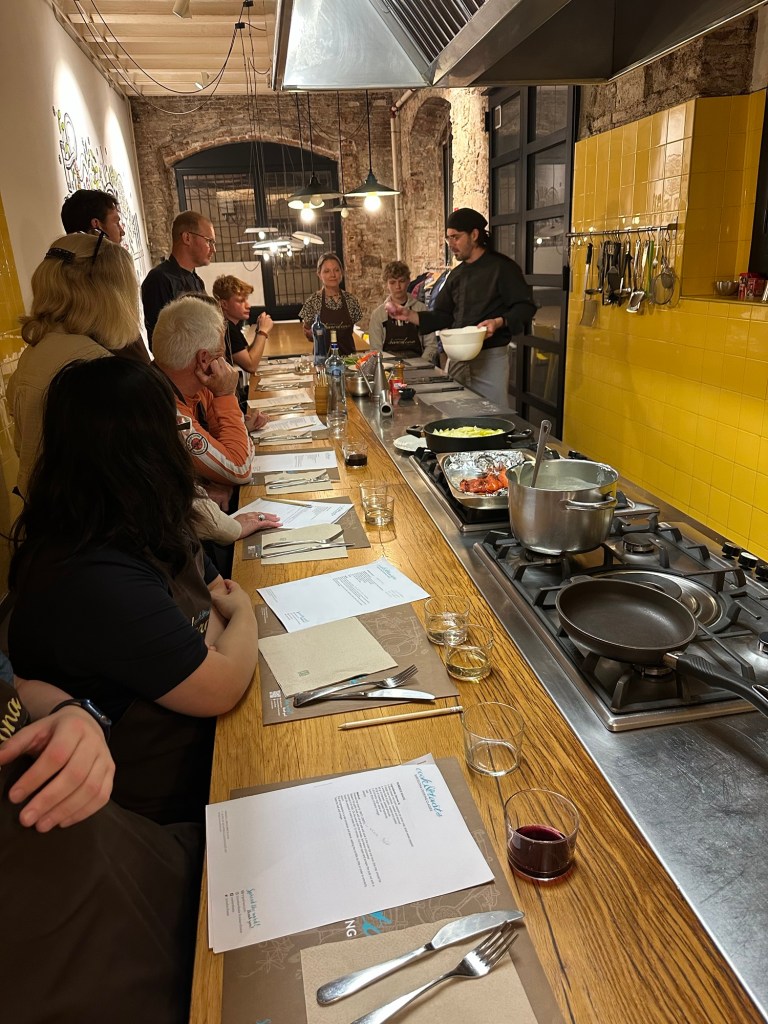
Day 1! I arrived around noon November 25th. My day consisted of getting settled in, wandering, then a cooking class! This is typically how my first day on my trips look. I usually wonder for a while to get a feel for the area, as well as something food related, either a food tour or cooking class. A food experience is such an easy way to learn about a culture, as well as educate you on what you should or should not eat while you’re there!
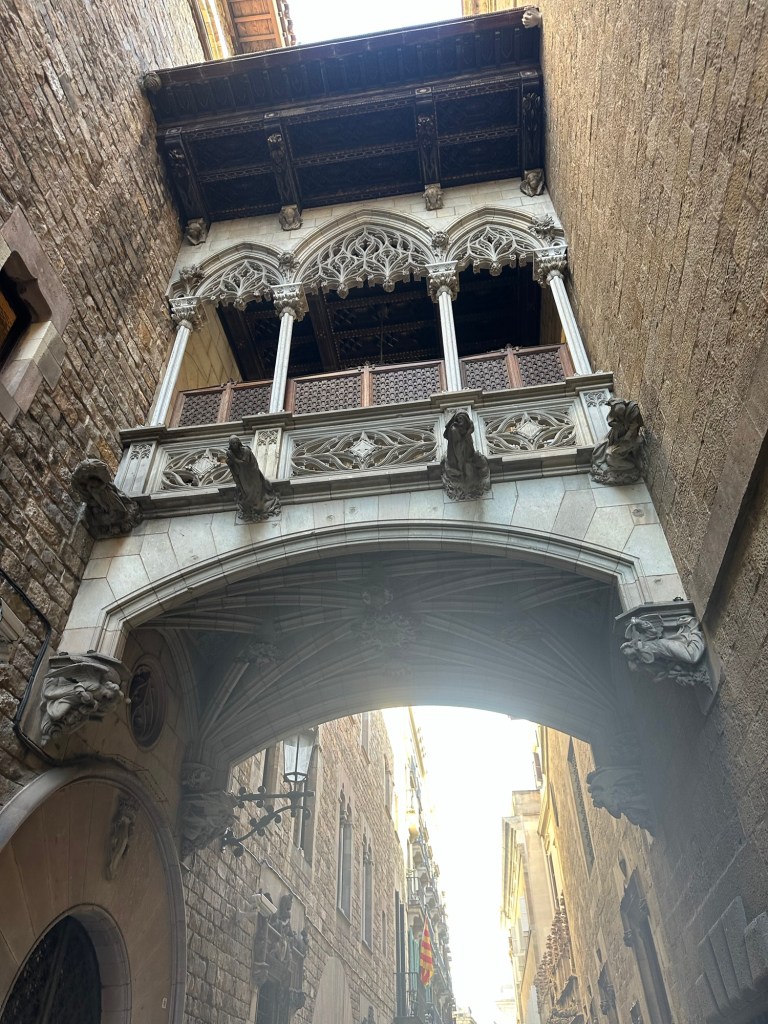
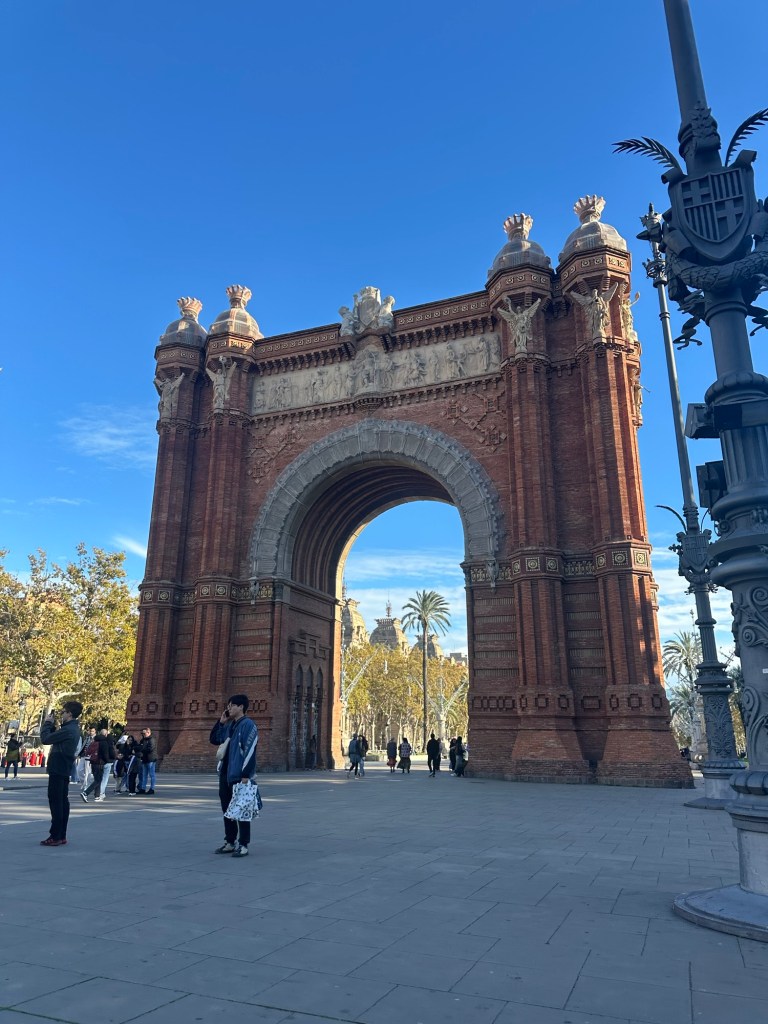
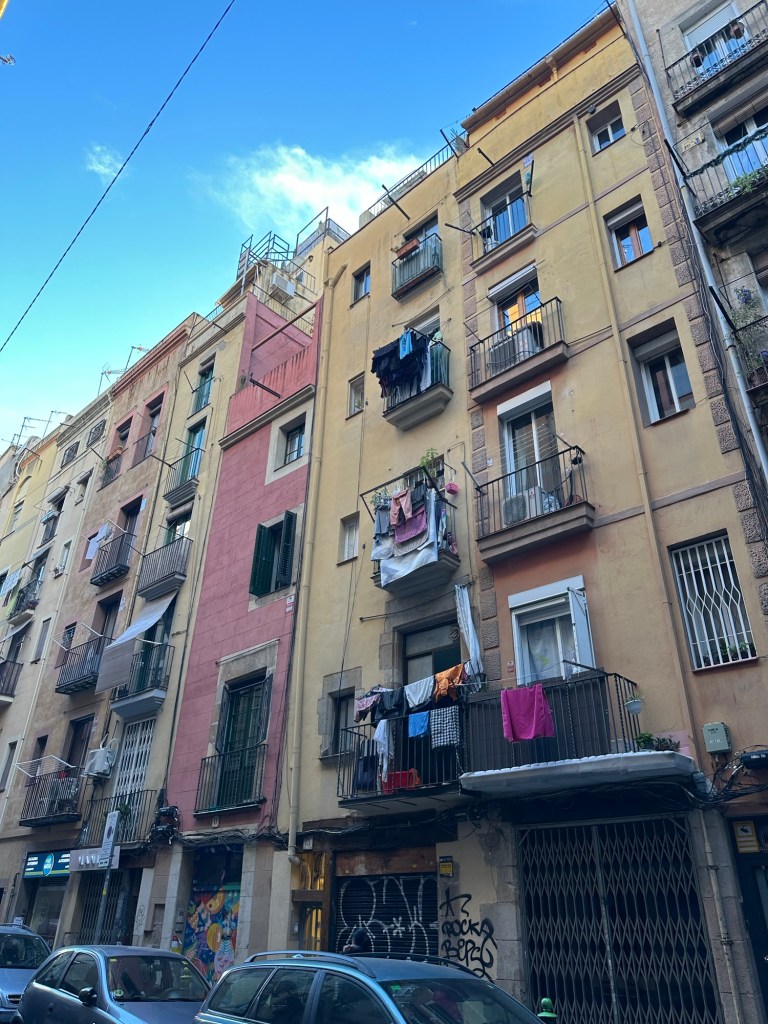
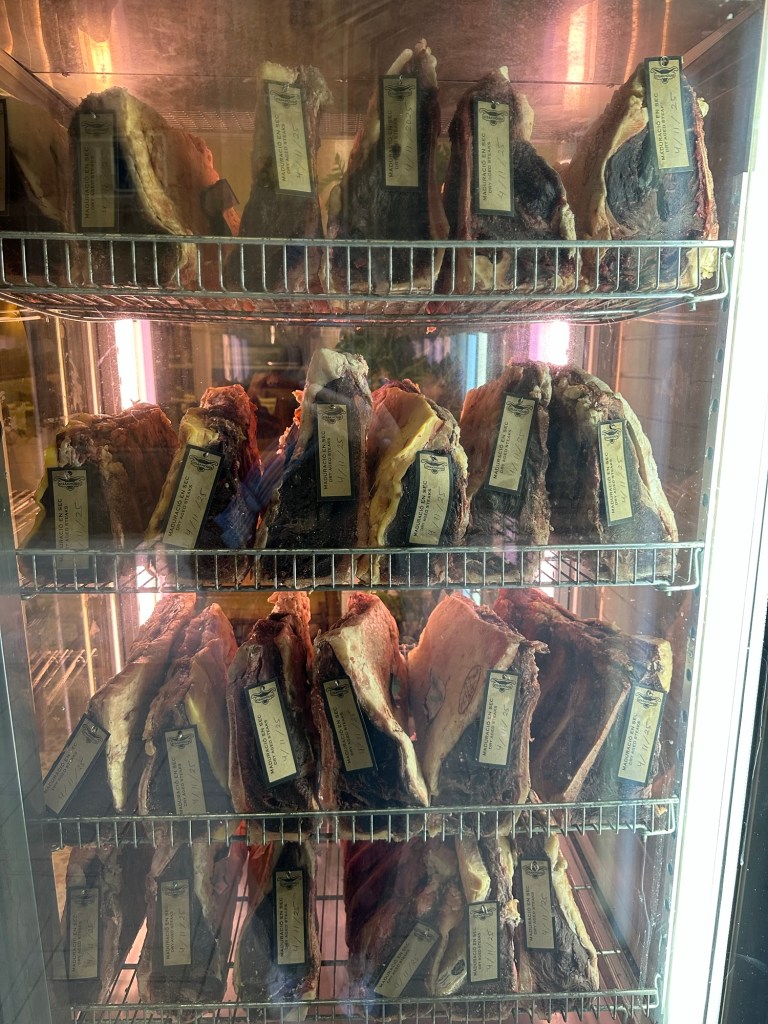
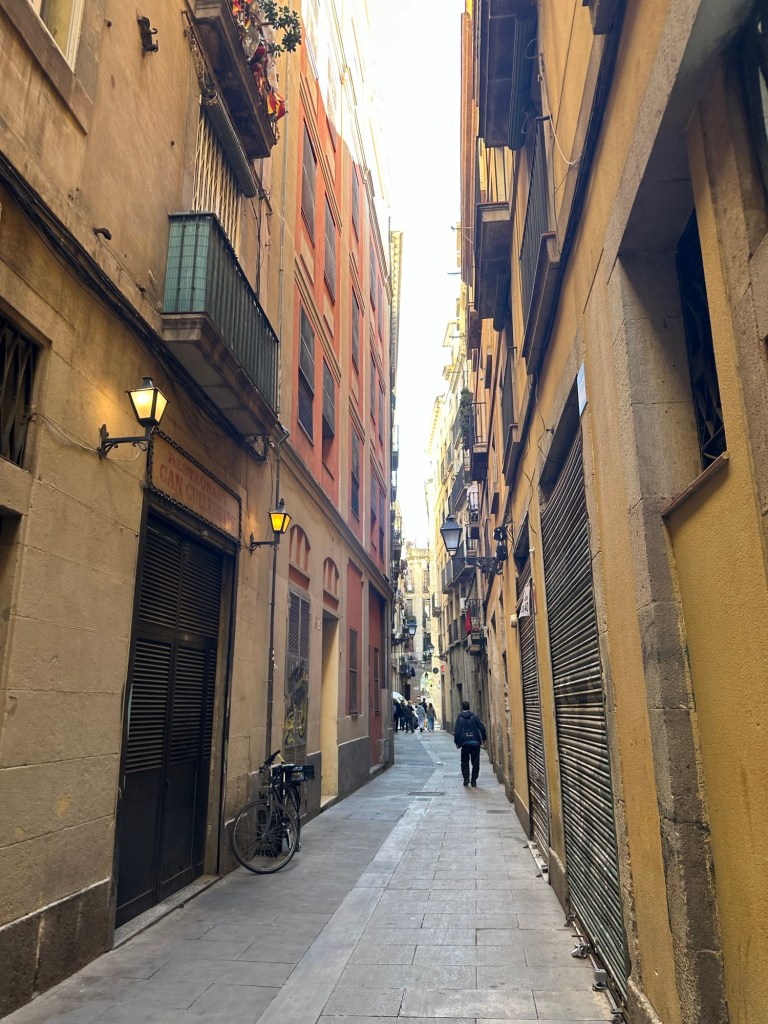
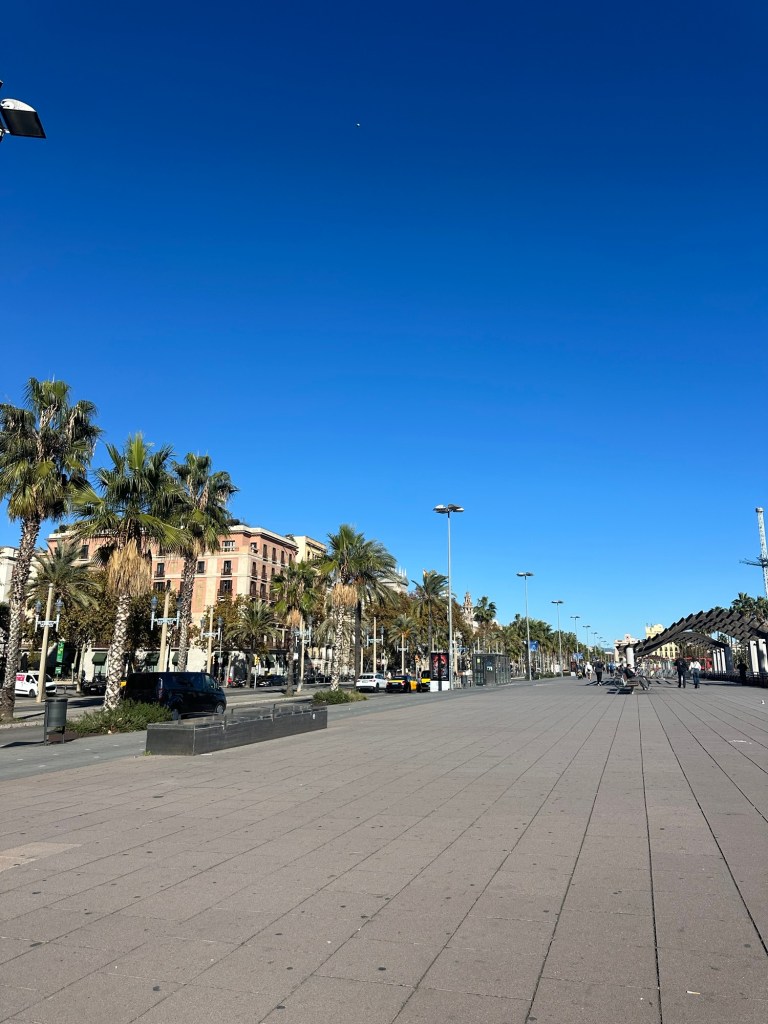
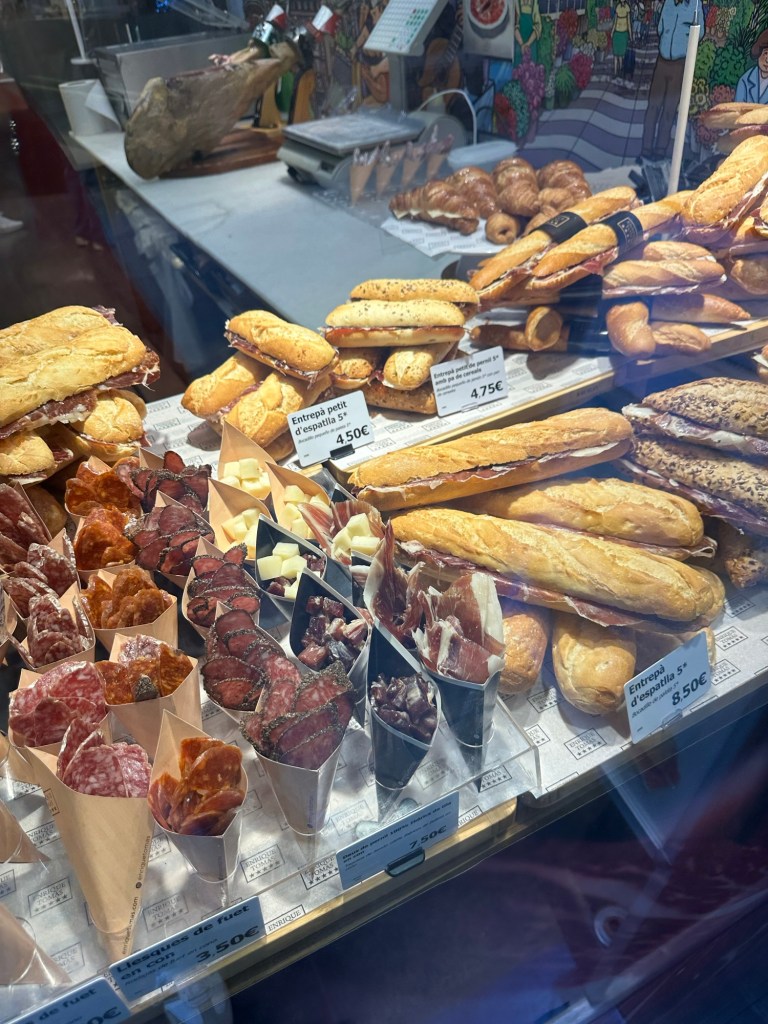
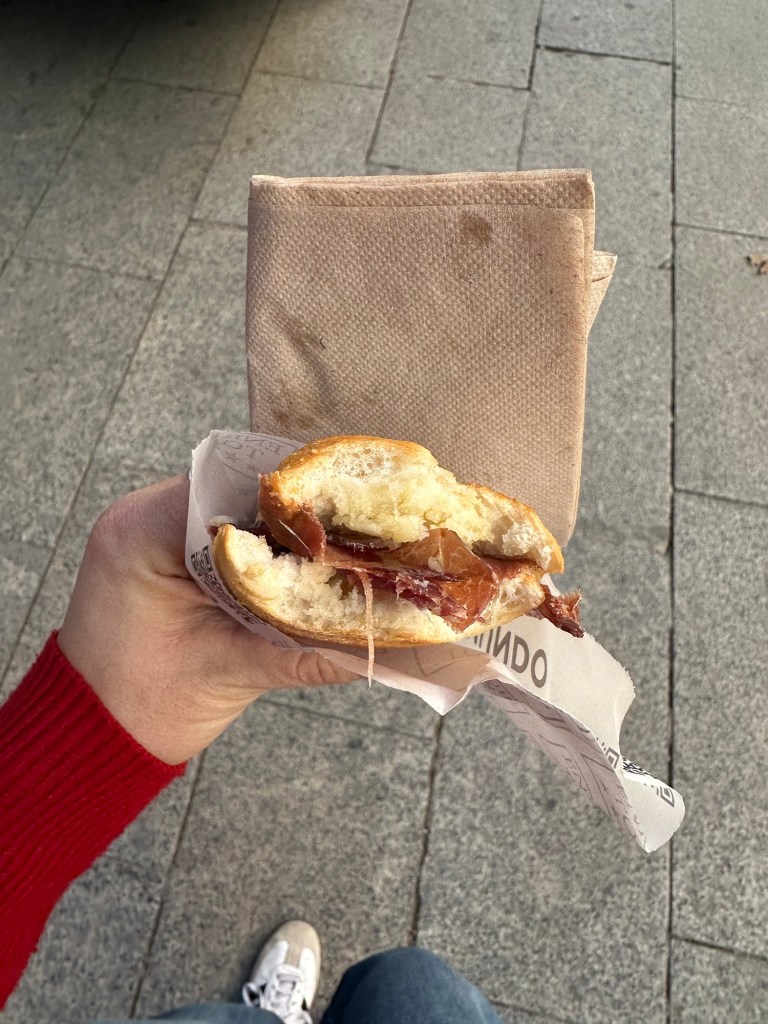
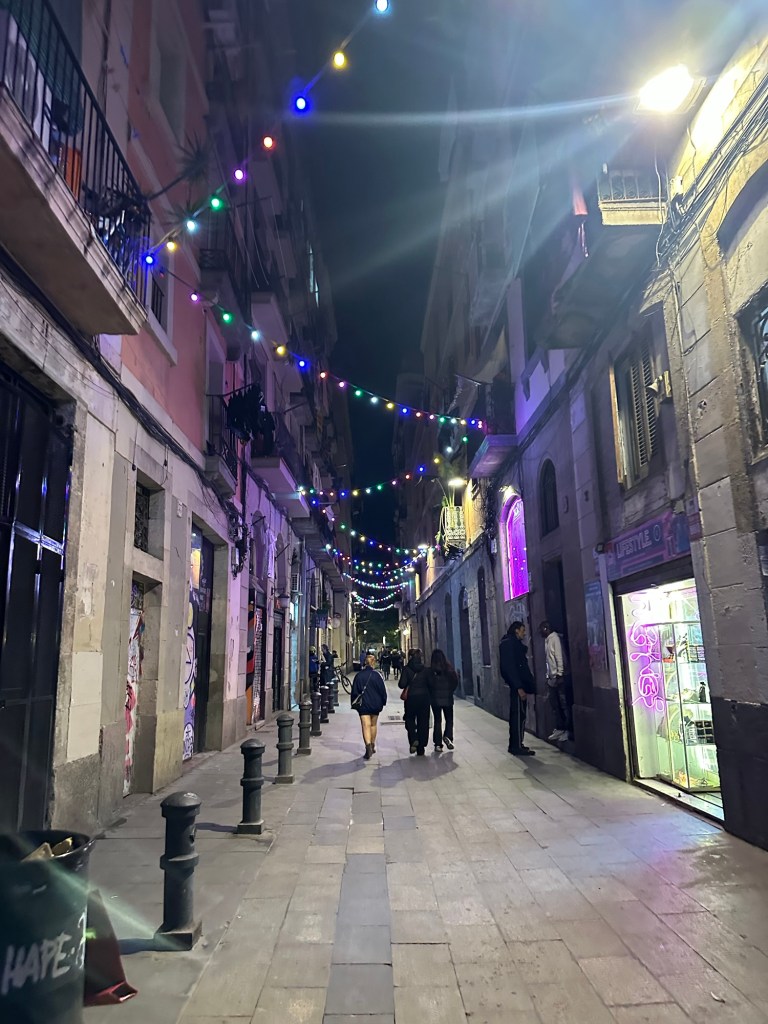
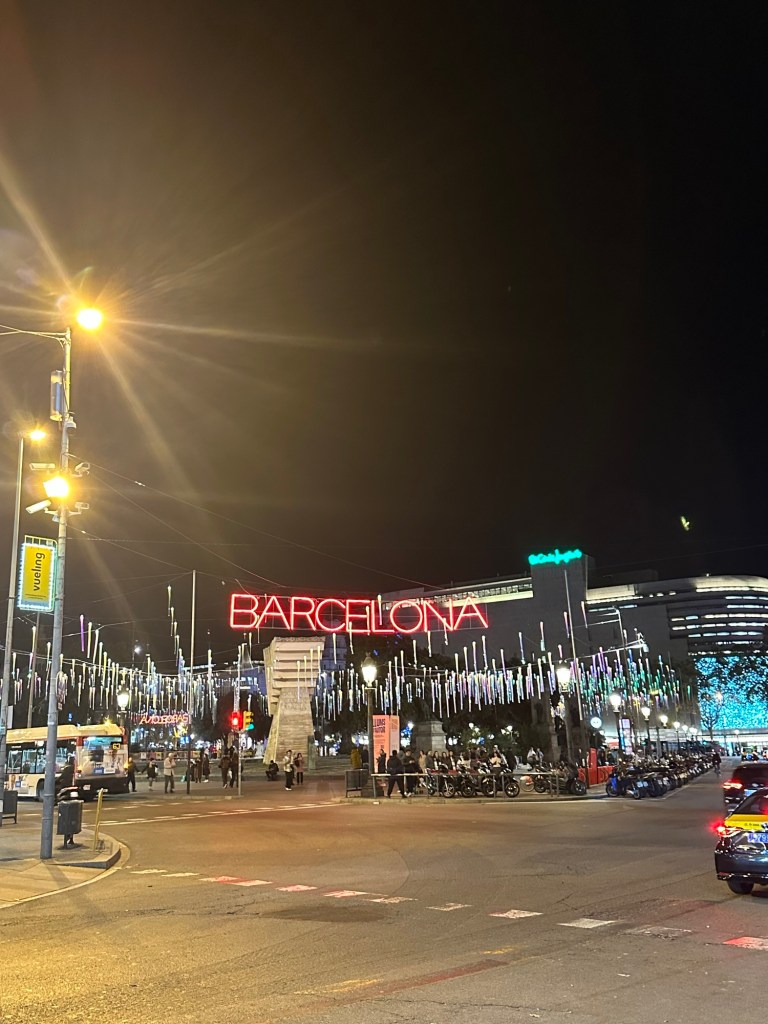
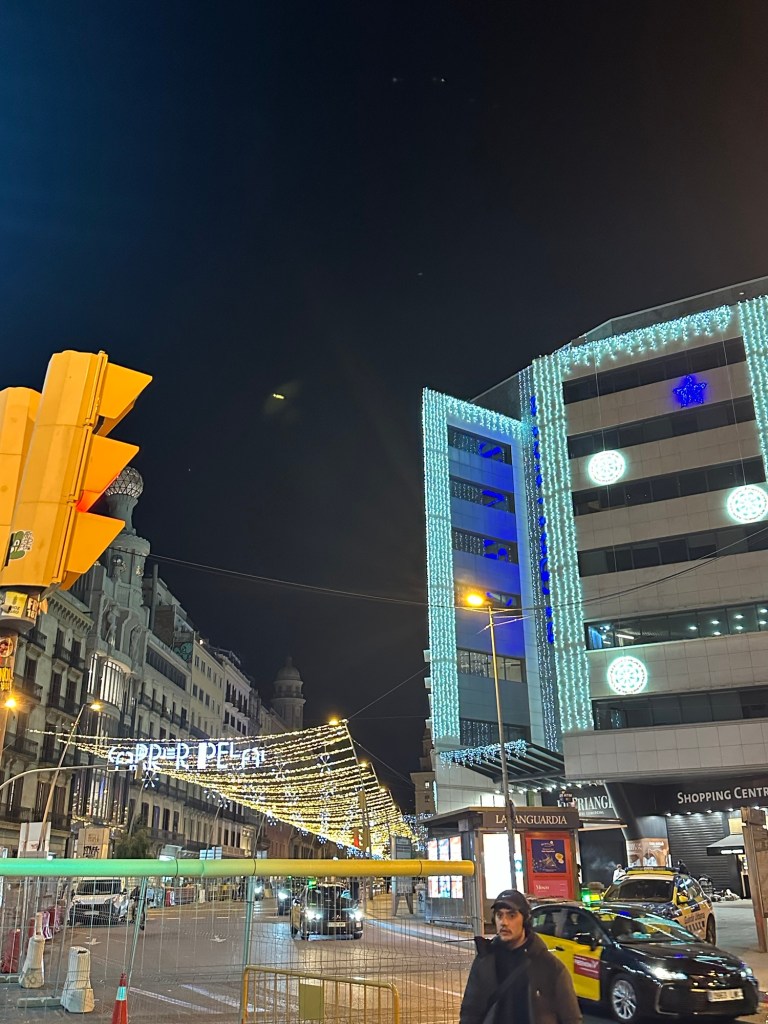
Here are some random things that caught my eye while walking around:
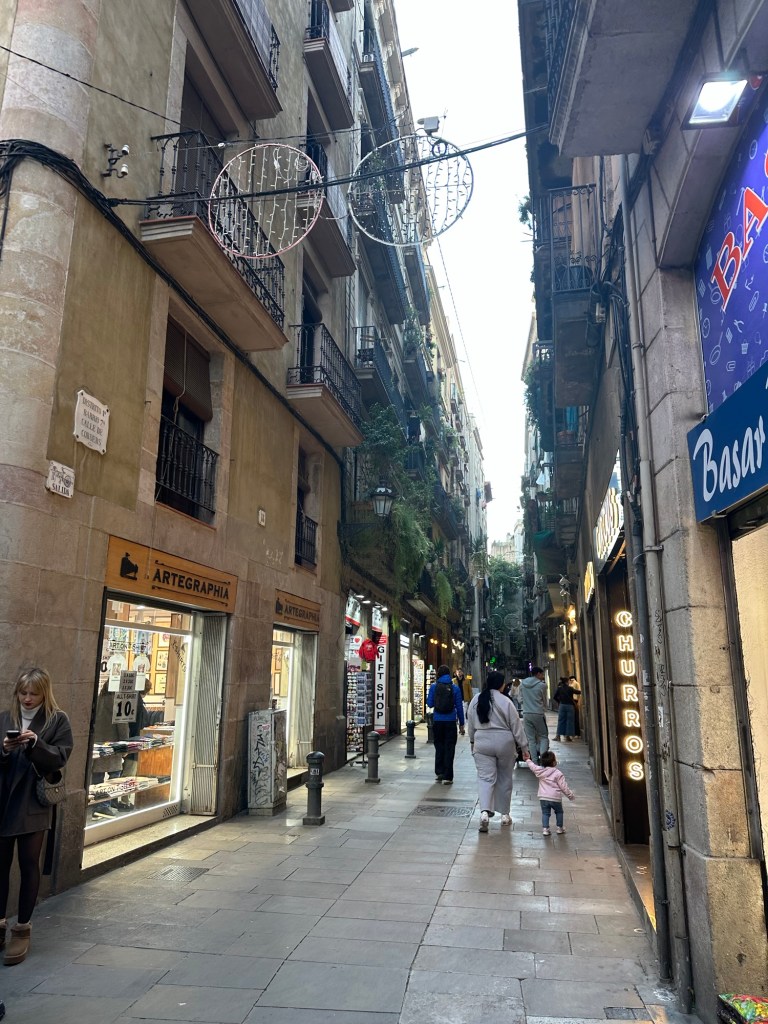
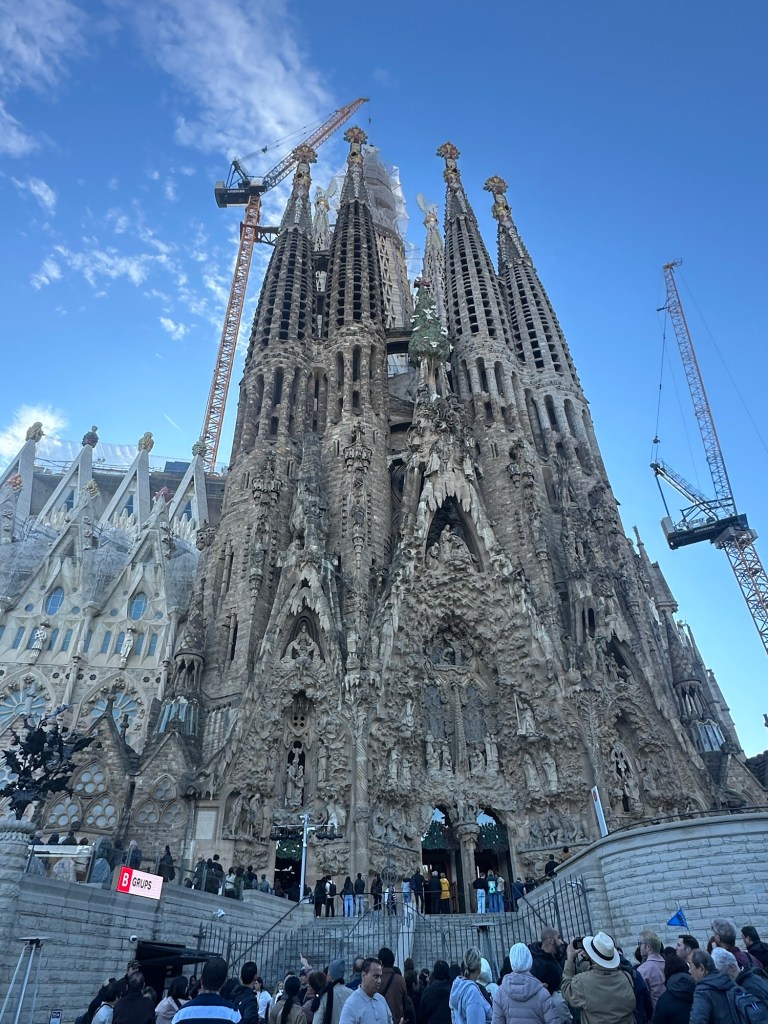
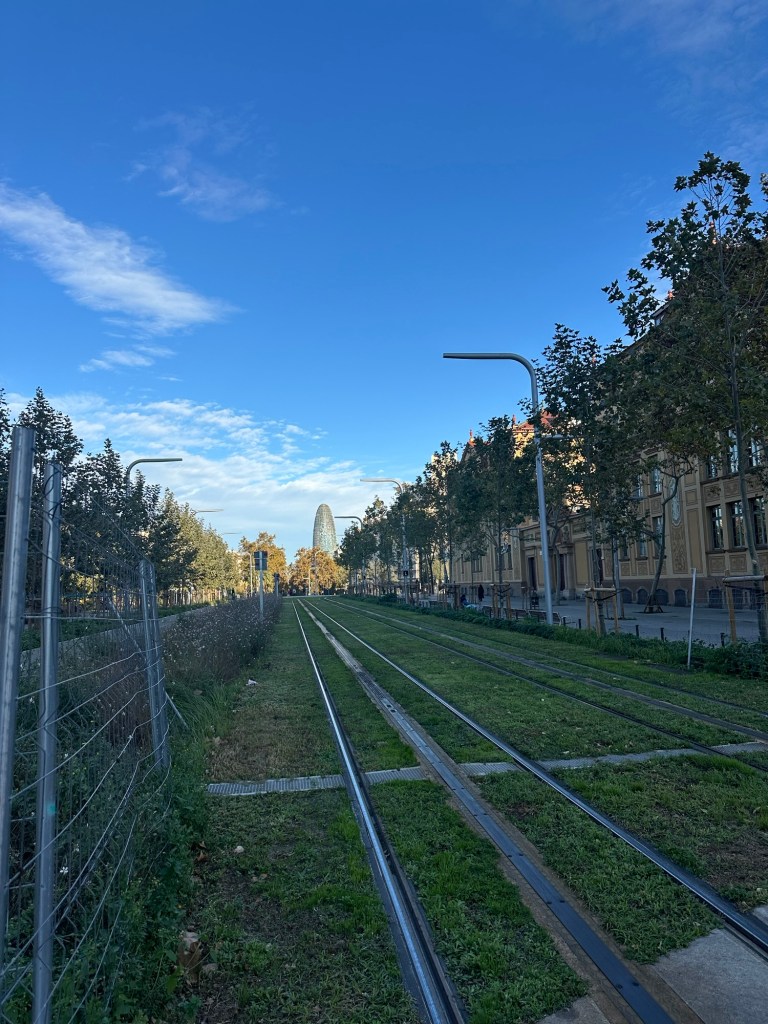
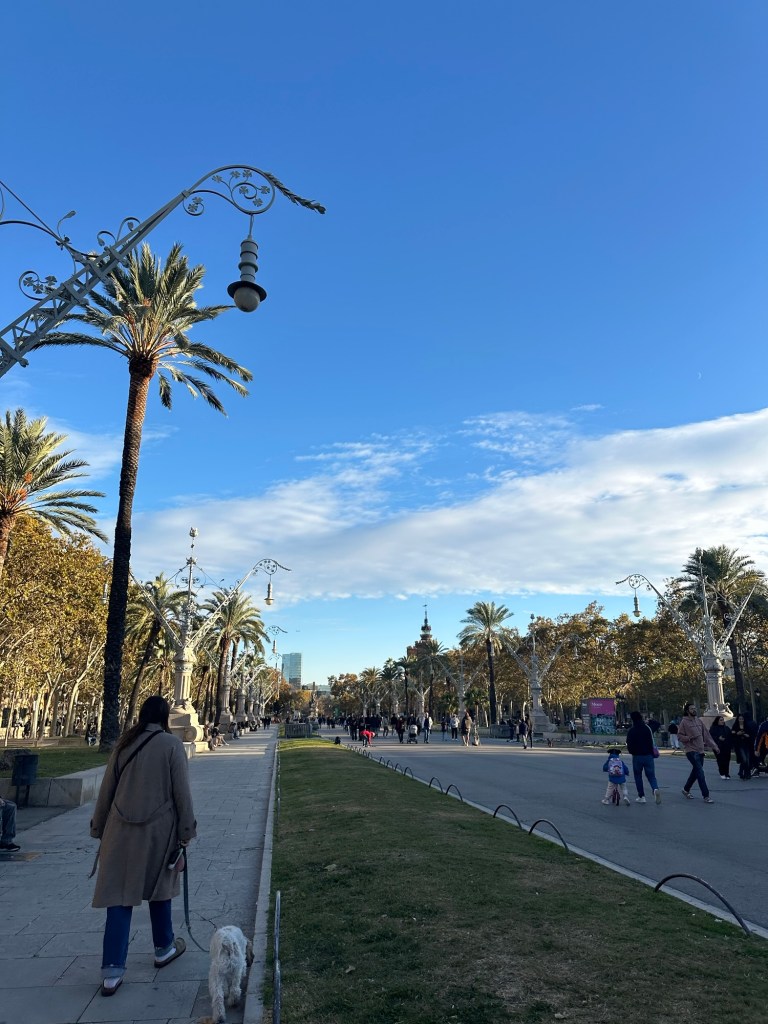
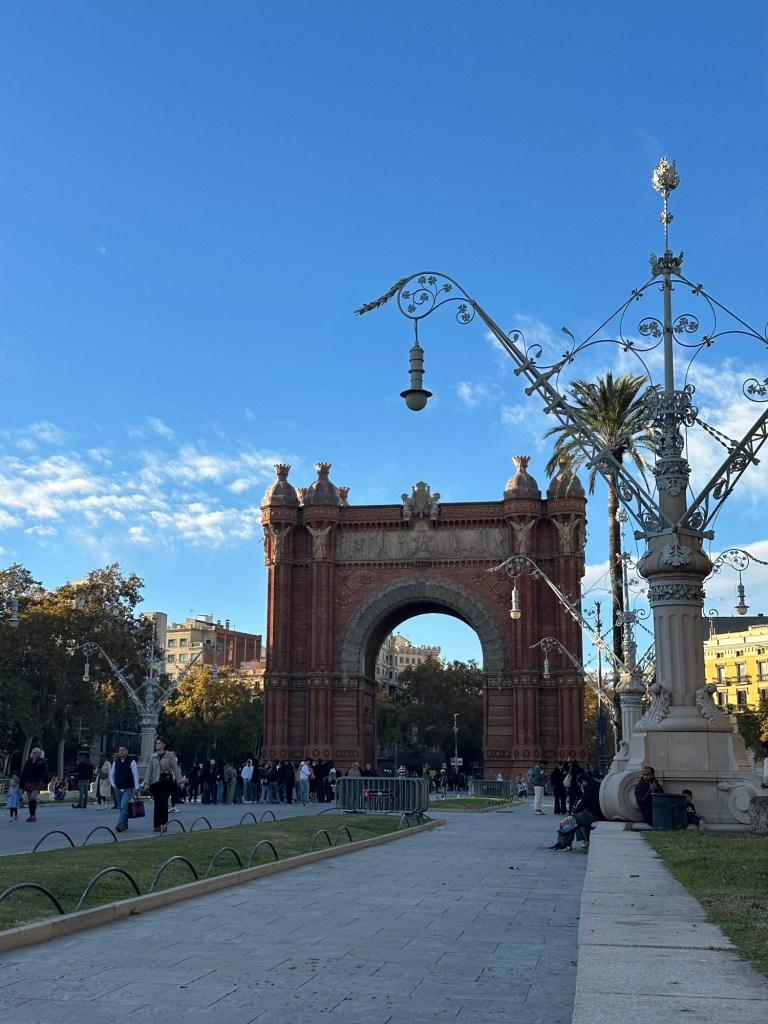
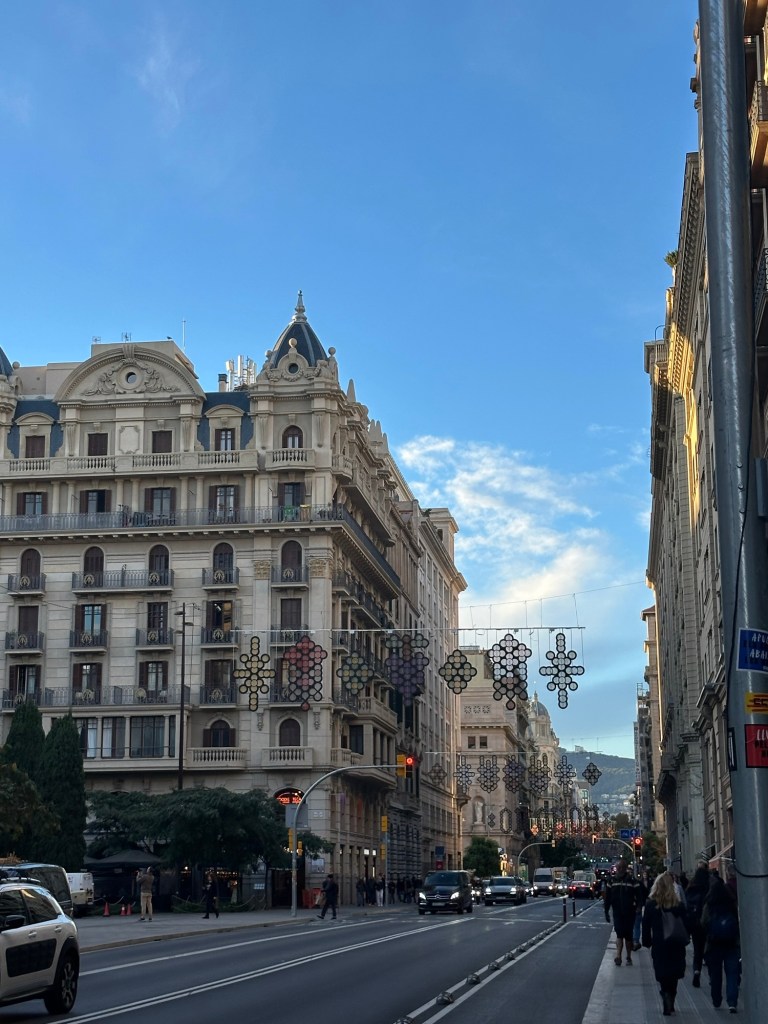
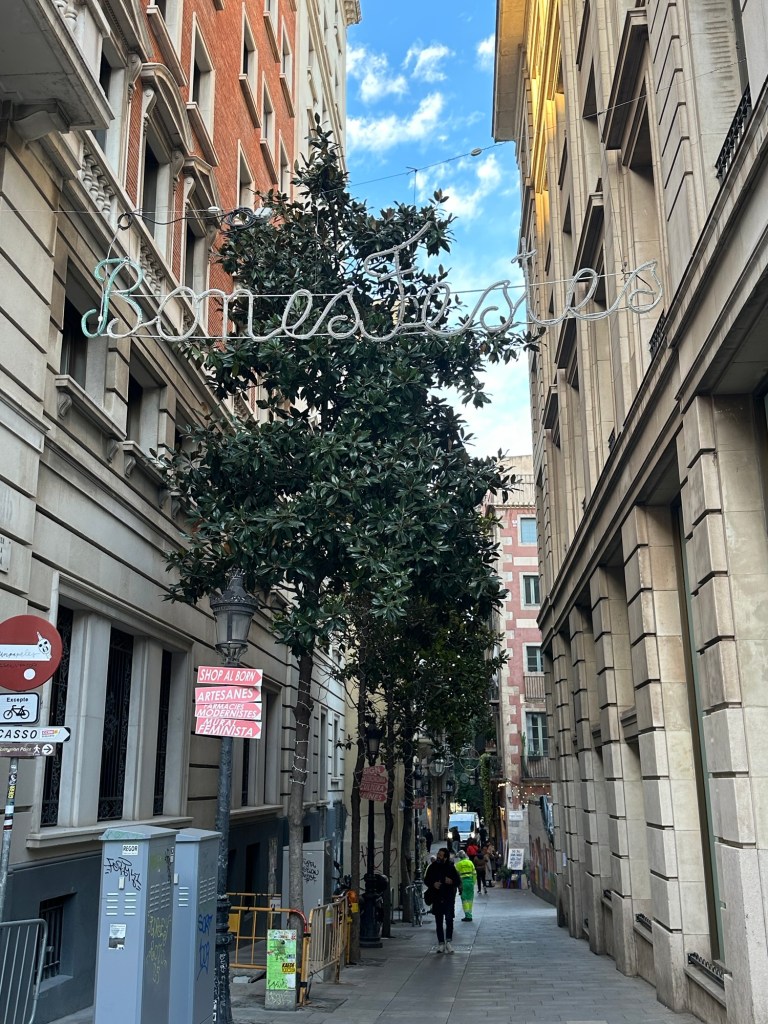
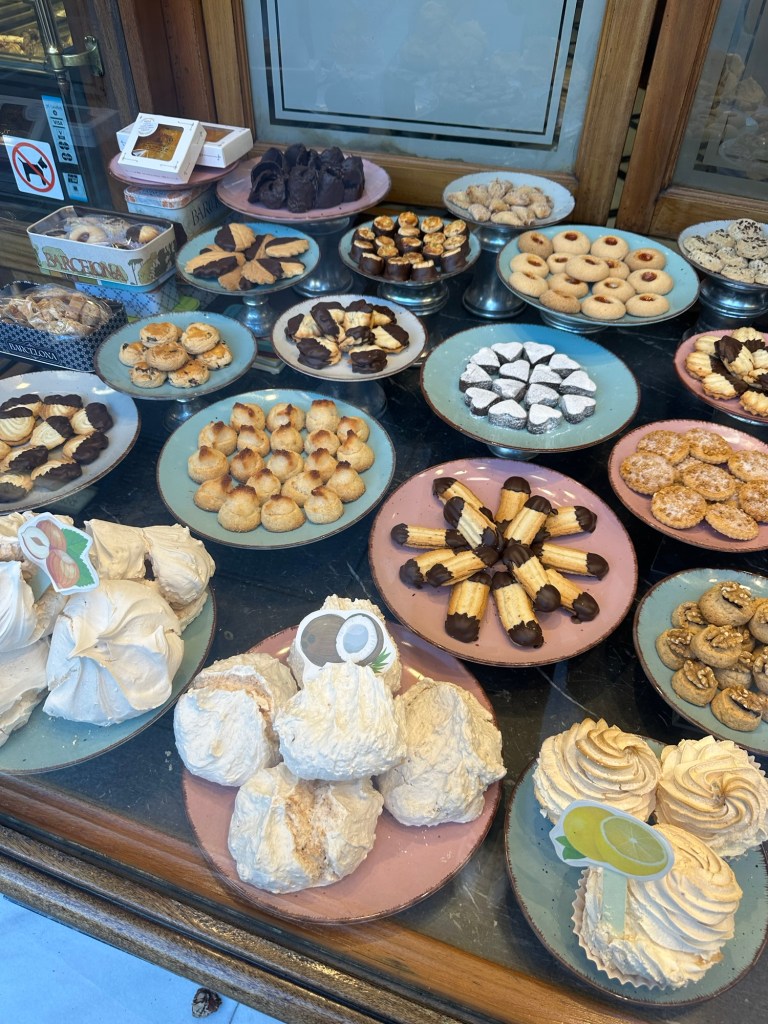
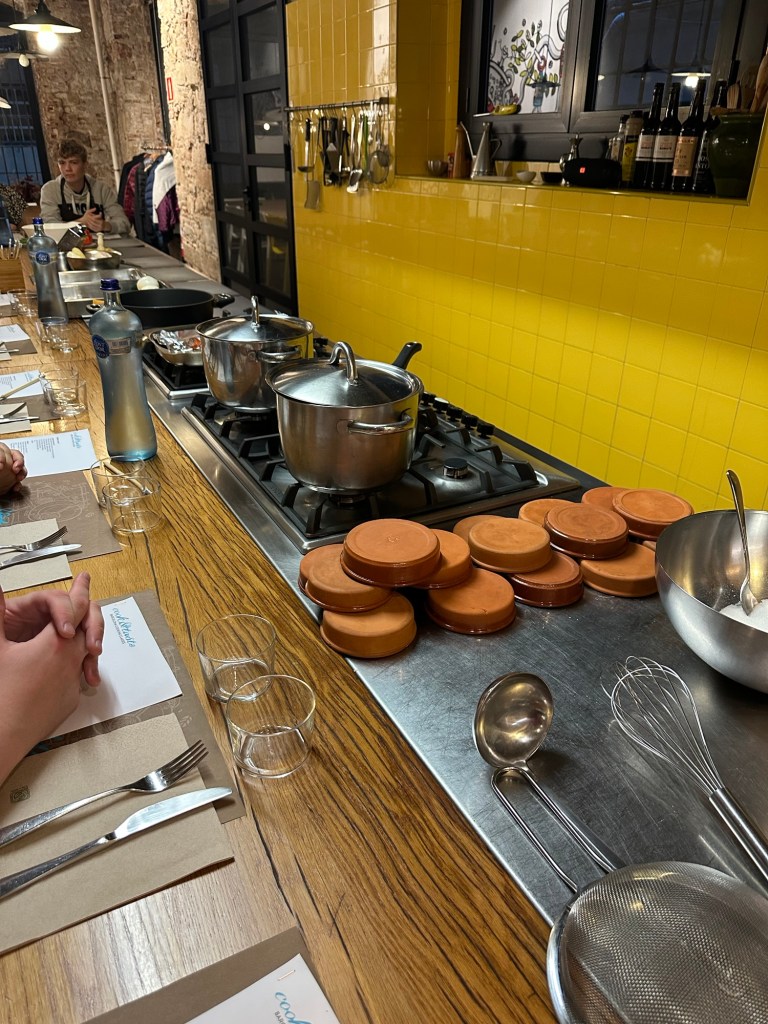
Now on to the cooking class. Courses were as follows:
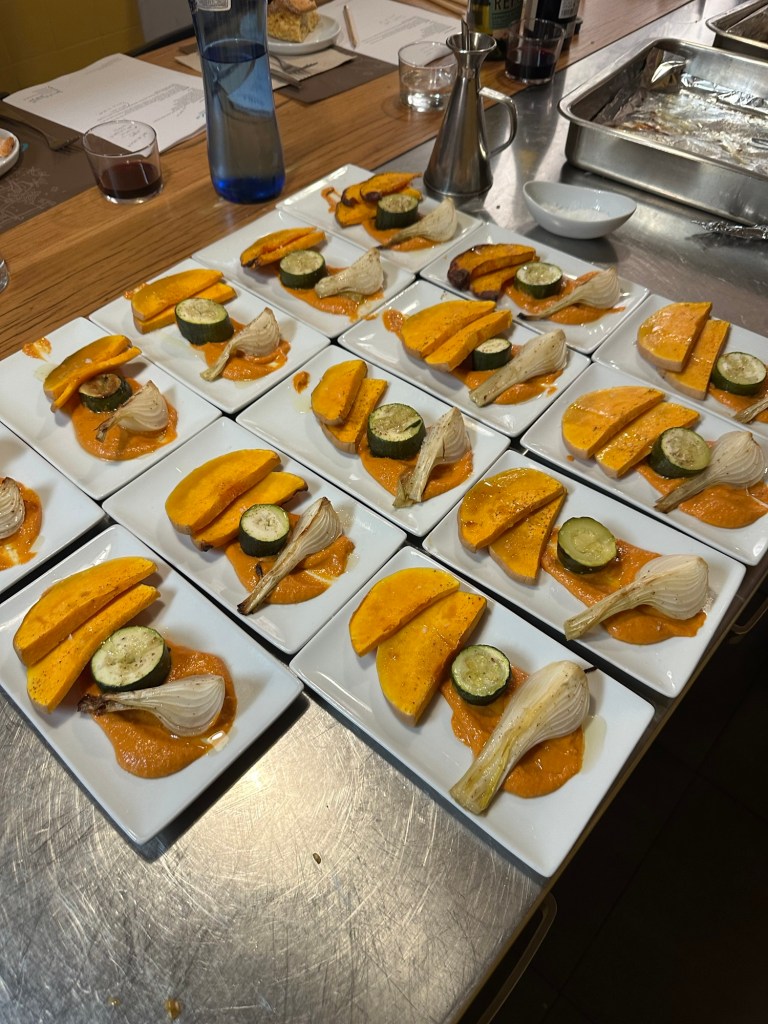
- Romesco Sauce : sauce made of peppers, tomatoes, garlic, olive oil, hazelnuts. Used to dip roasted vegetables. 10/10
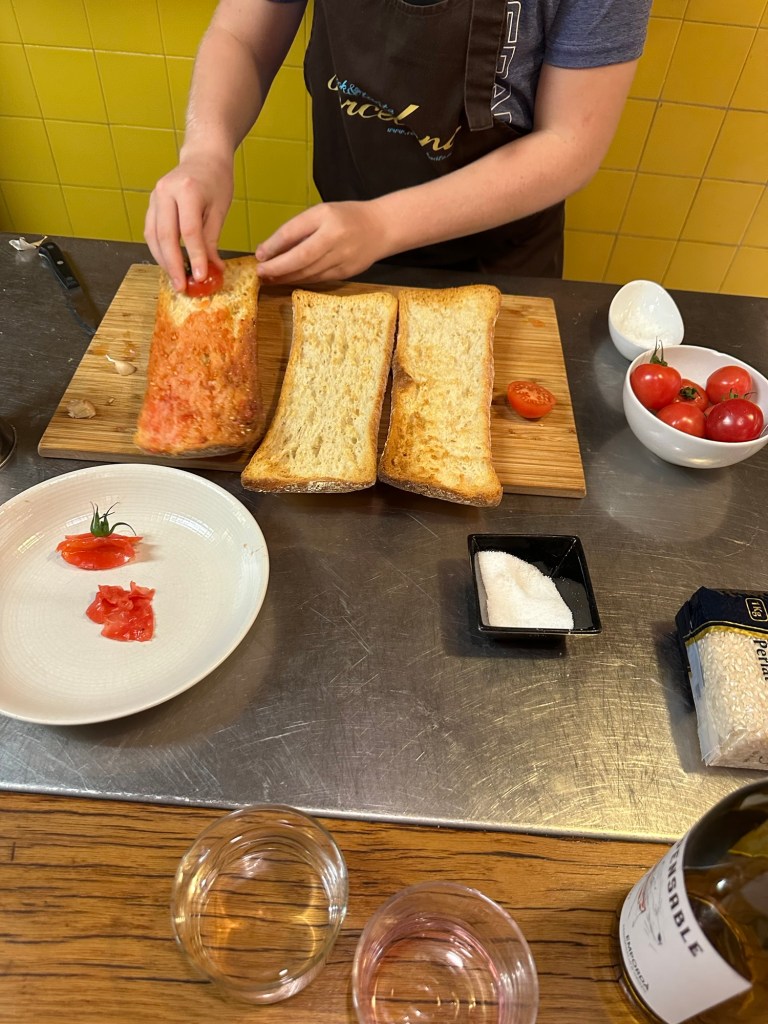
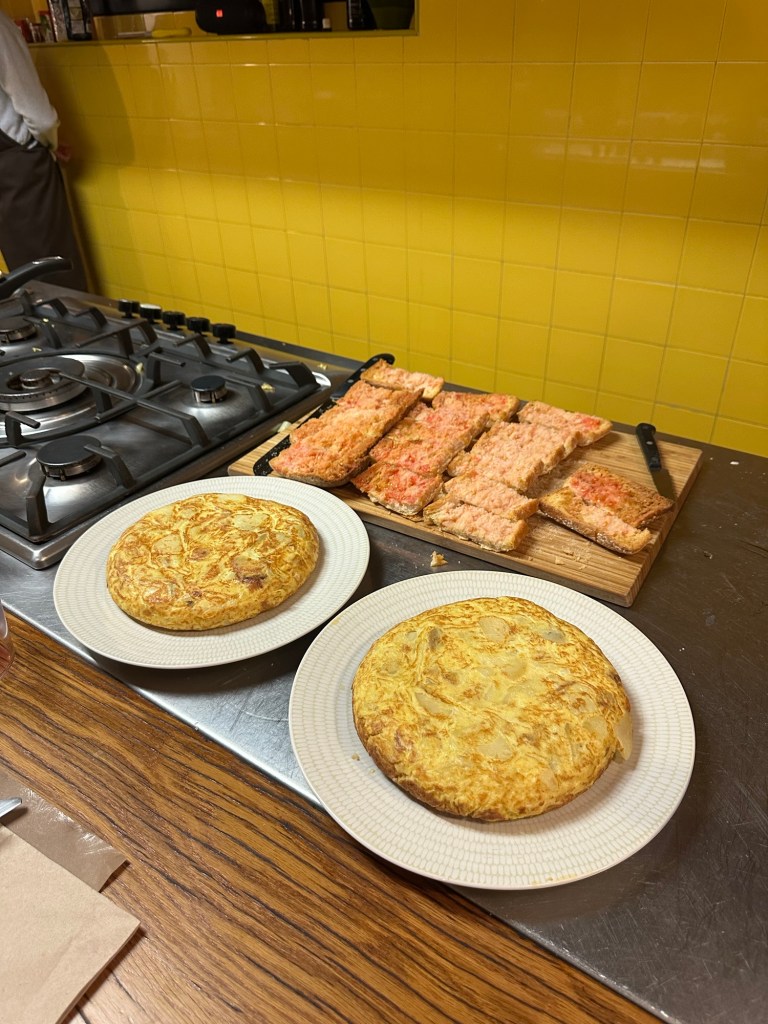
- Tortilla de Patatas con Pan con Tomates : potato omelet with tomato bread. Wow, both were so good, I’m especially a fan of the tomato bread. At first I thought this was going to be tomatoes cooked into the bread (new sourdough idea?!) but instead, it’s toasted bread smeared with garlic, tomato, and olive oil. I would make both of these for sure. Tortilla de Patatas 8/10 and Pan con Tomates 10/10
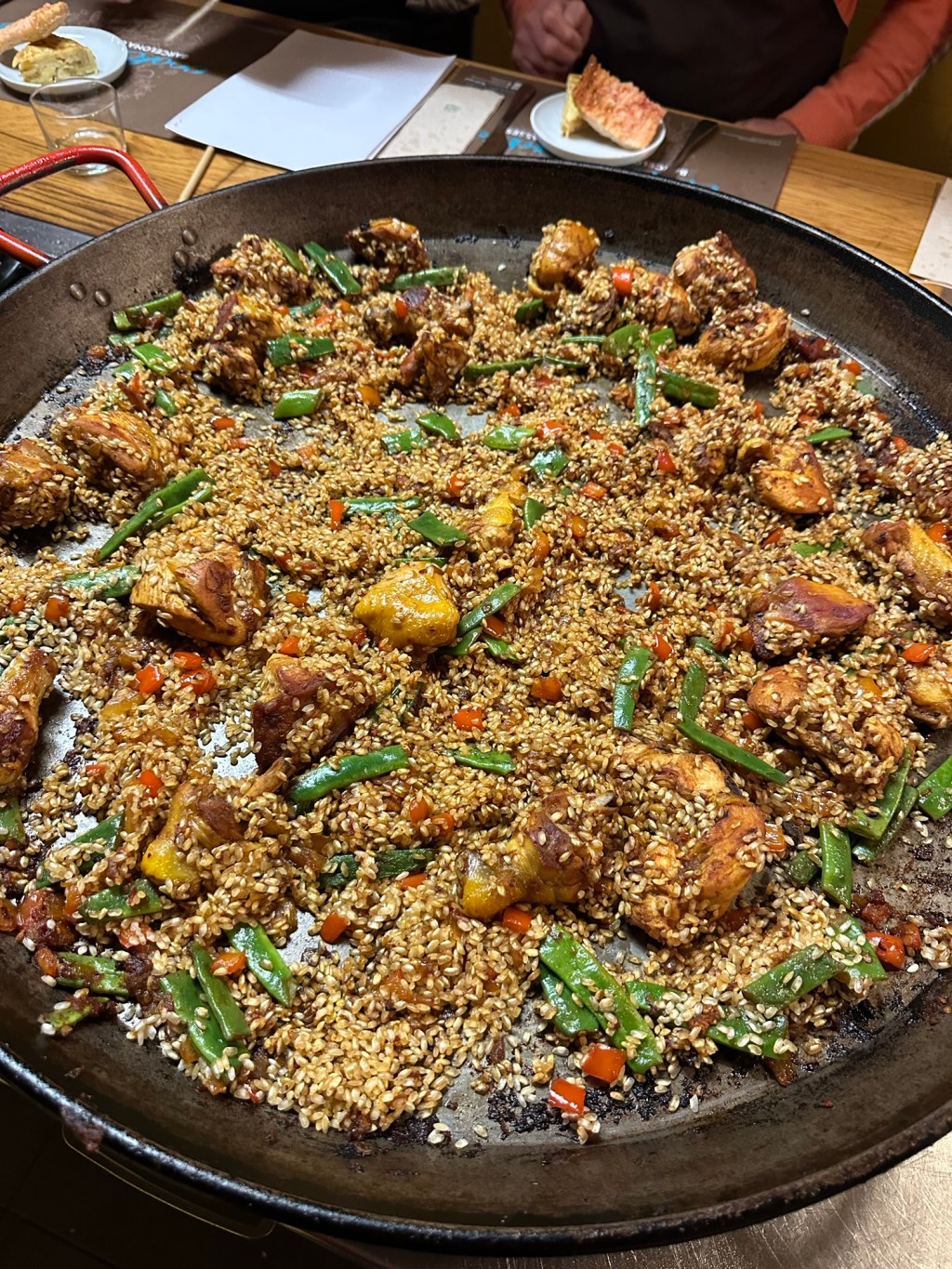
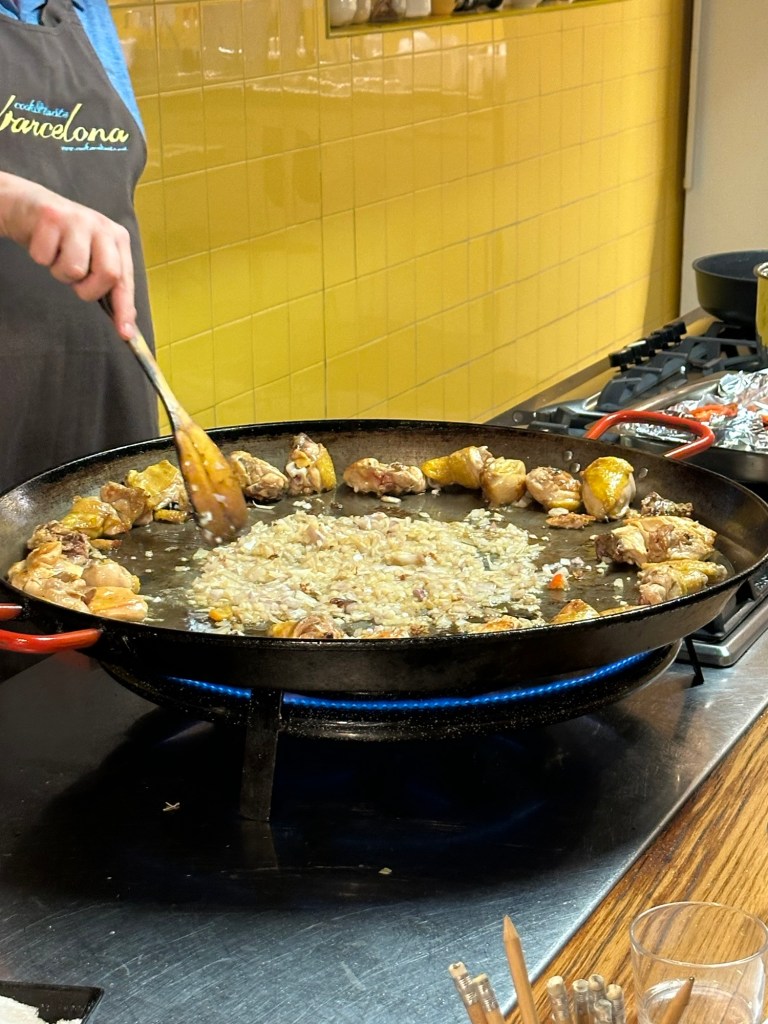
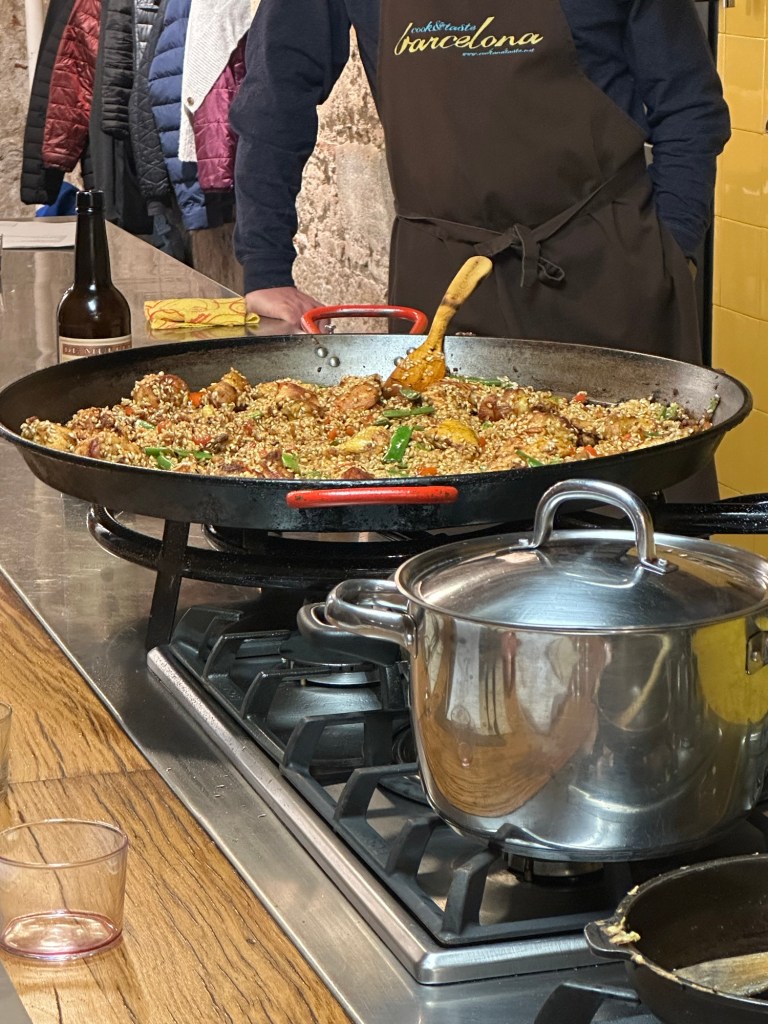
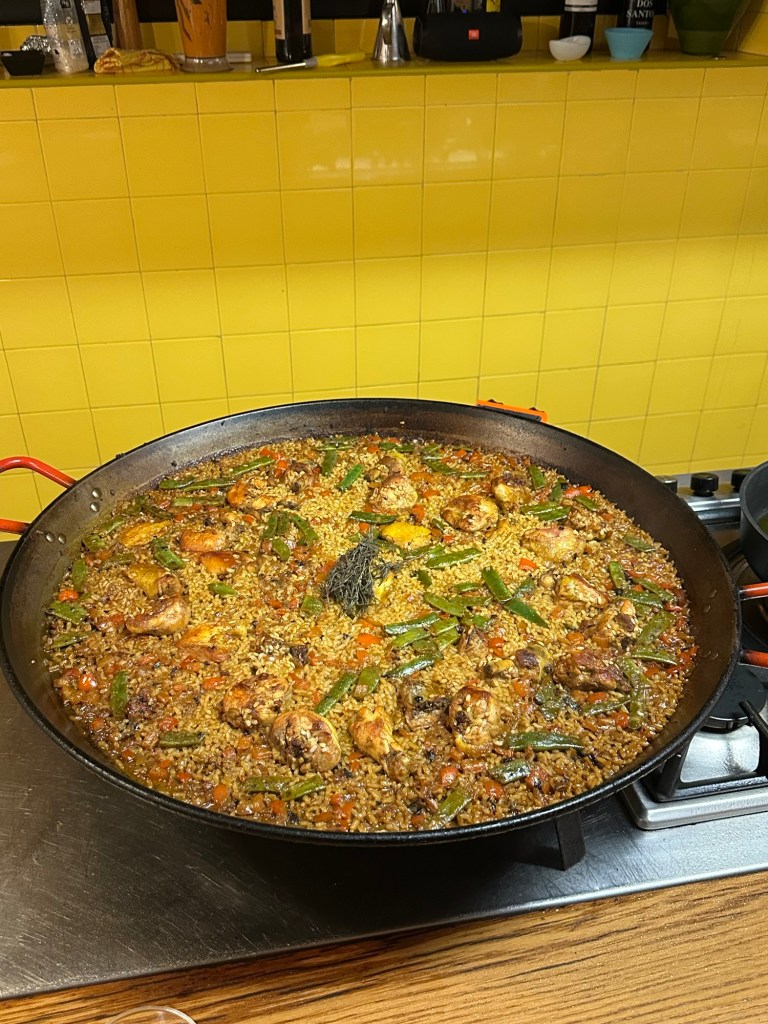
- Paella Valencian Style : Everyone knows paella… it’s a rice/risotto dish with some kind of meet, this one being chicken, with peppers, tomatoes, green beans, onion, chicken stock, saffron, paprika. Got to be honest… I have maybe only had paella 2-3 times in my life, including this. And I maybe think paella just isn’t for me. It was definitely cool to learn to make it, as it requires certain techniques and a special paella pan, but I don’t think I would order this at a restaurant. 5/10 for me personally
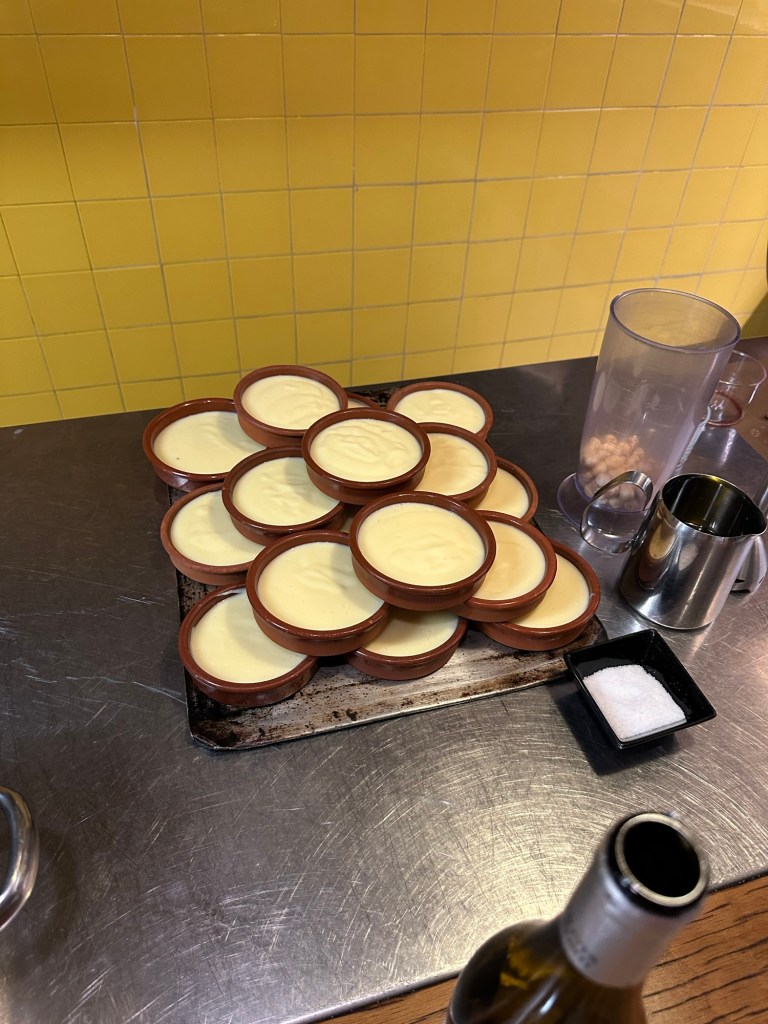
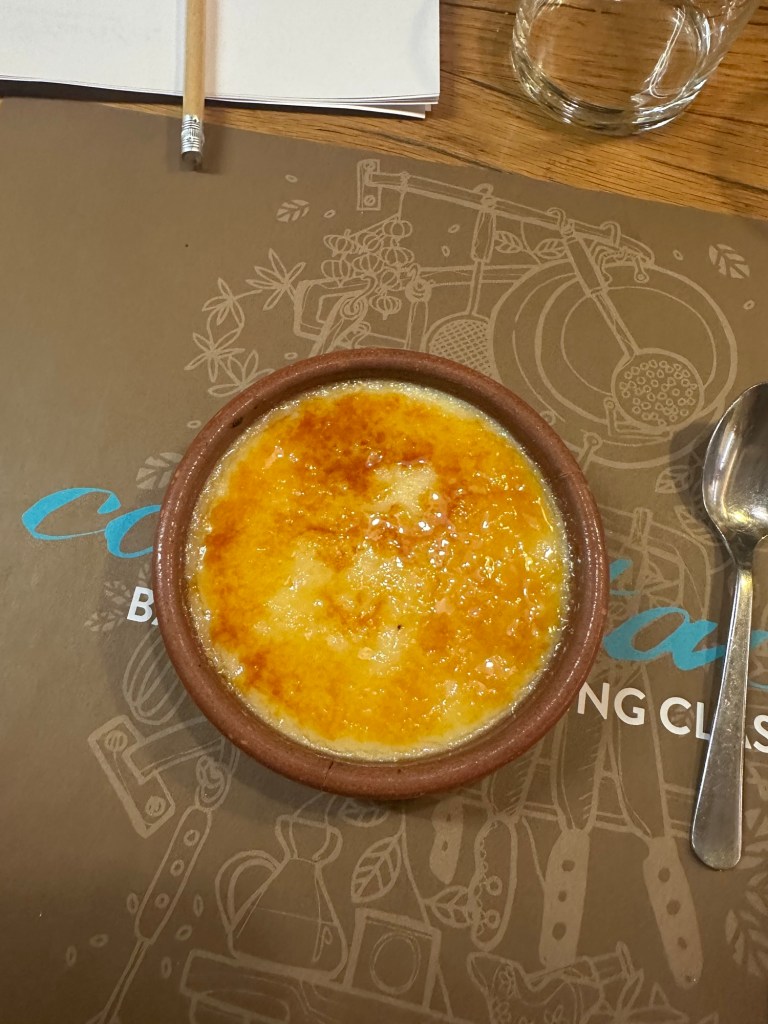
- Crema Catalana : lemon and cinnamon custard (similar to creme brulee). Mixed eggs, sugar, lemon, cinnamon with a melted sugar glaze. 7/10
Day 2! Lots more walking, with a historic walking tour in the afternoon and flamenco show in the evening!
Okay now for the walking tour… the day before, u had already walked past half of these things and had no idea what they were!! So glad I did this to add some important context. Youre walking past potentially thousands of years of history… so make the effort to learn about it!
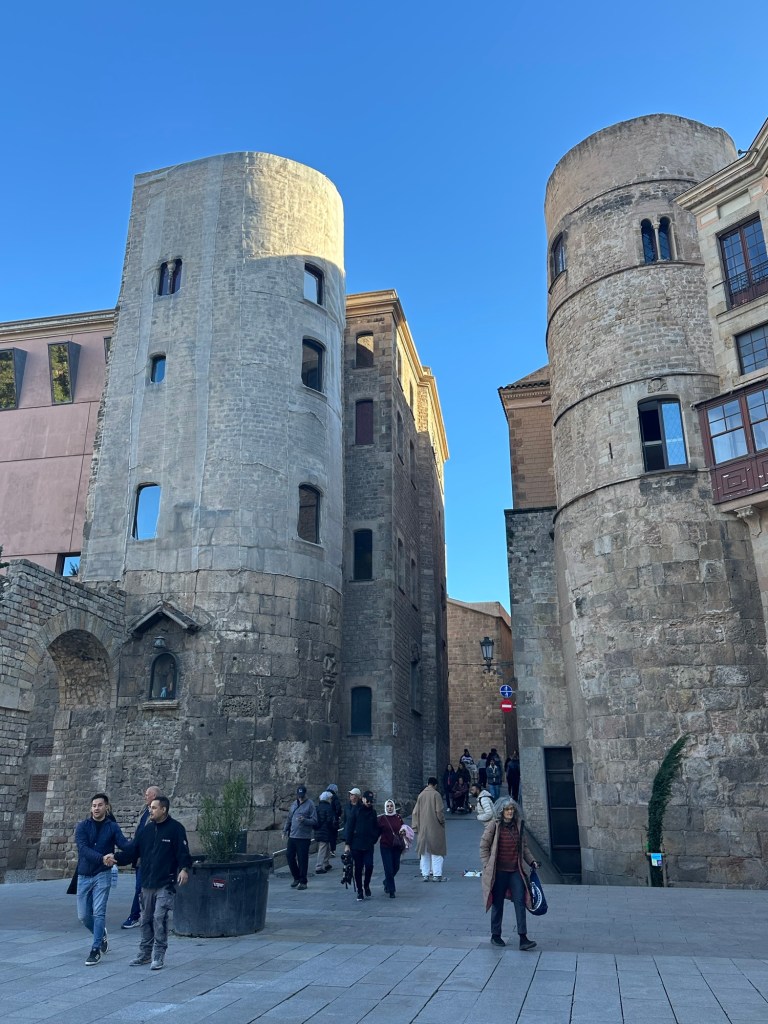
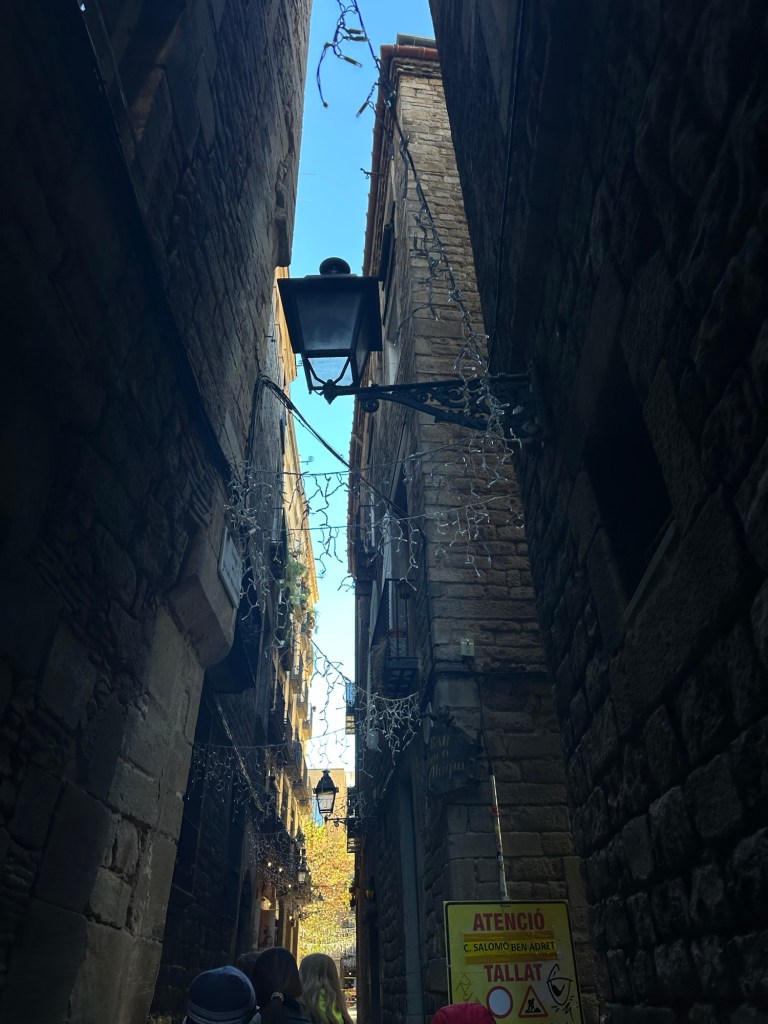
What we know now as Barcelona, was originally much much smaller and was founded by the Romans and they created a colony called Barcino. When I was walking around yesterday… surprisingly enough, I was thinking that this city felt very similar to Rome….. now I know why! Barcino had a wall around it built in 1st century BC, in the area now called the Gothic Quarter. The photo below is all that’s left of the wall.
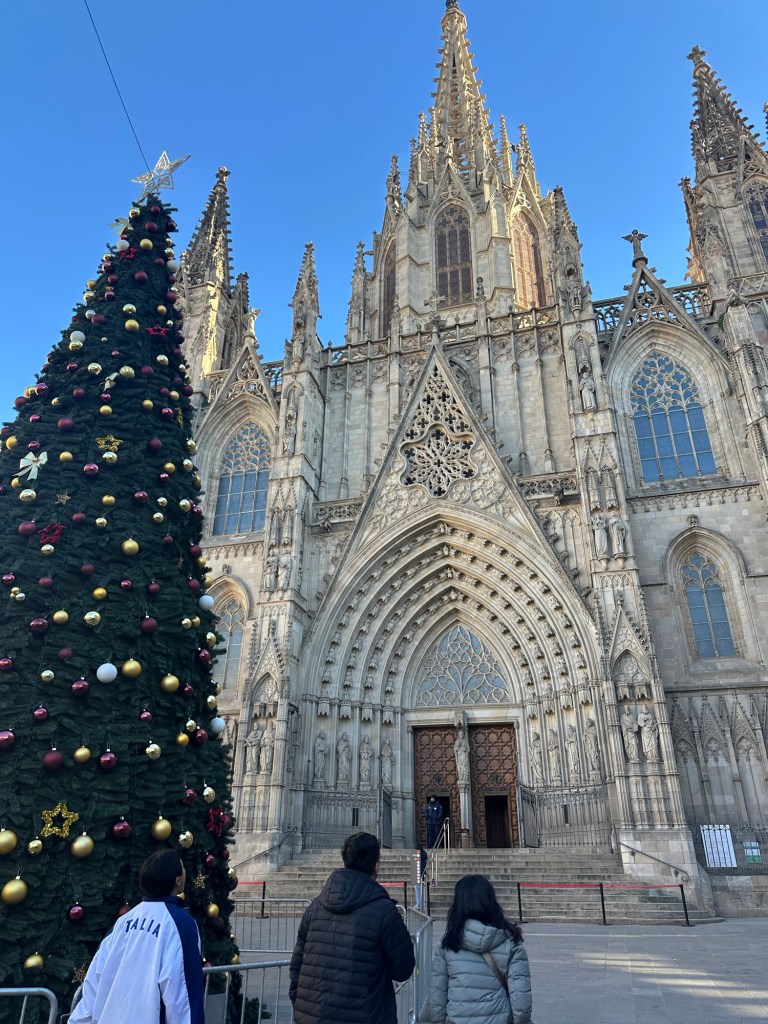
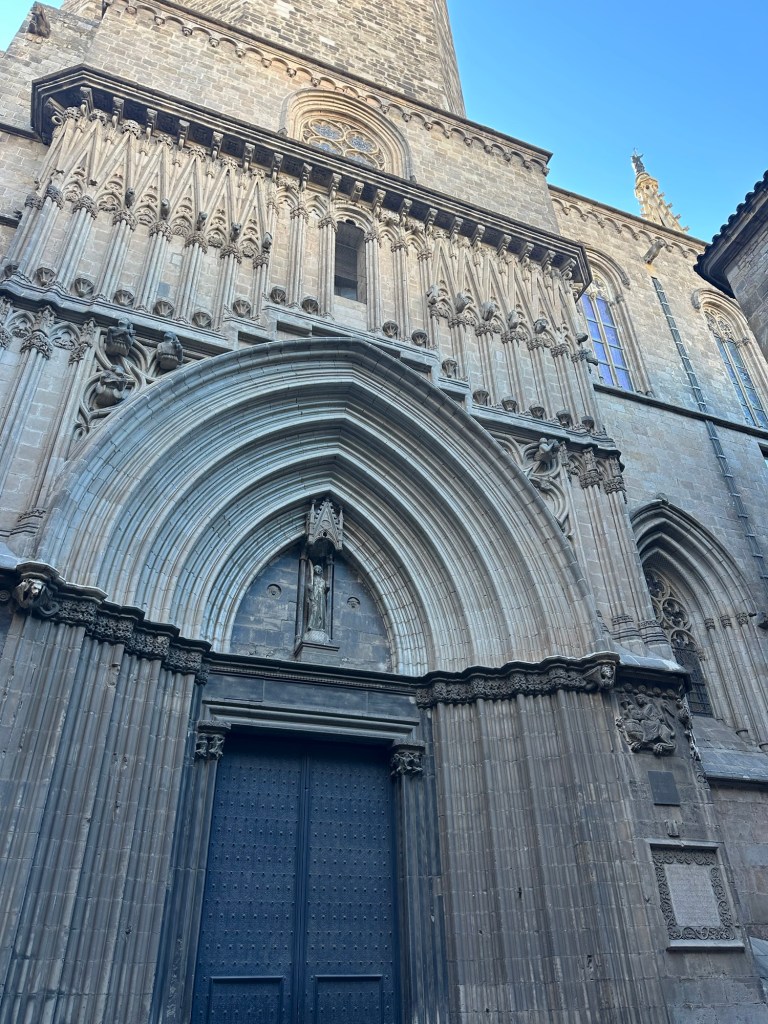
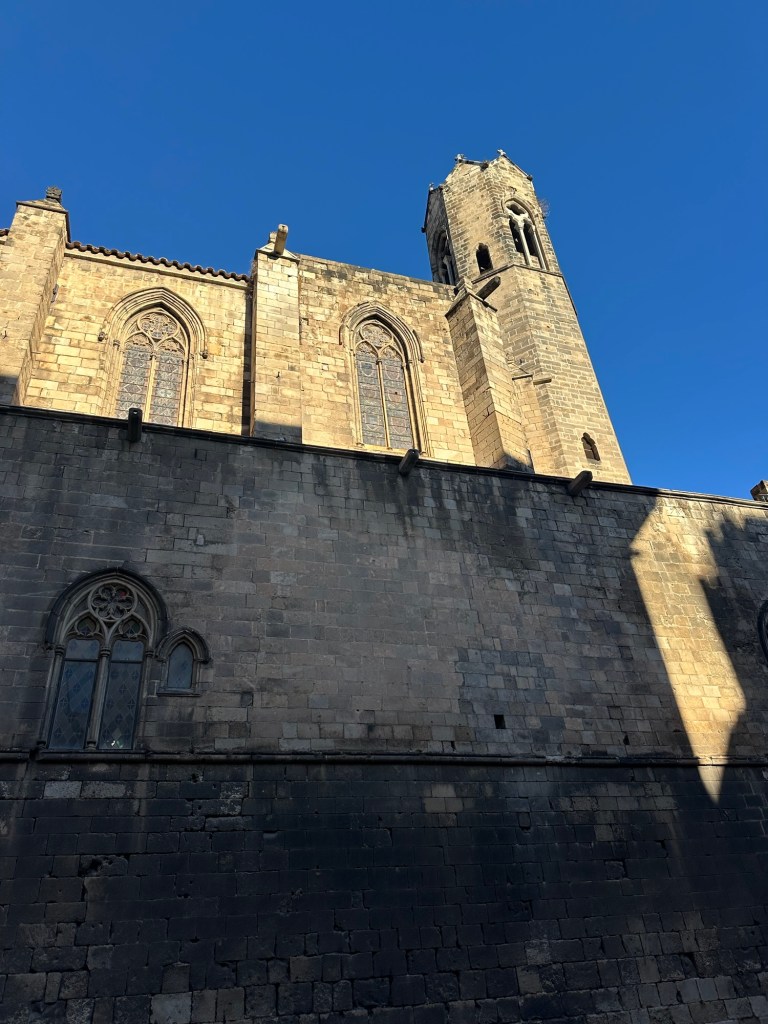
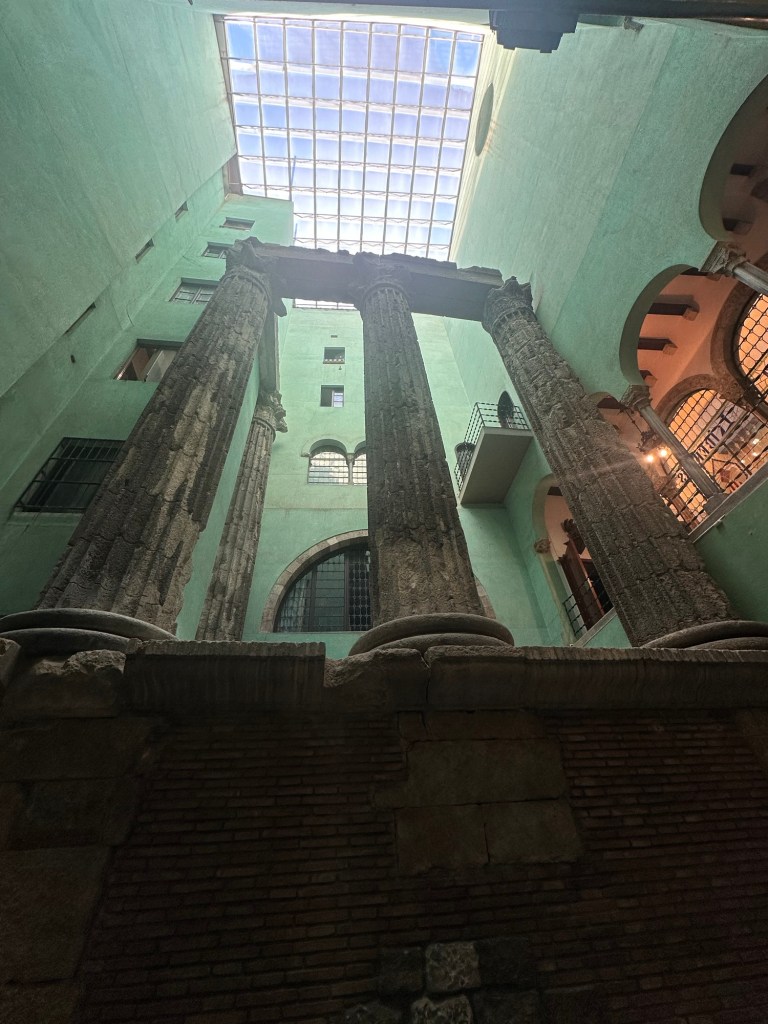
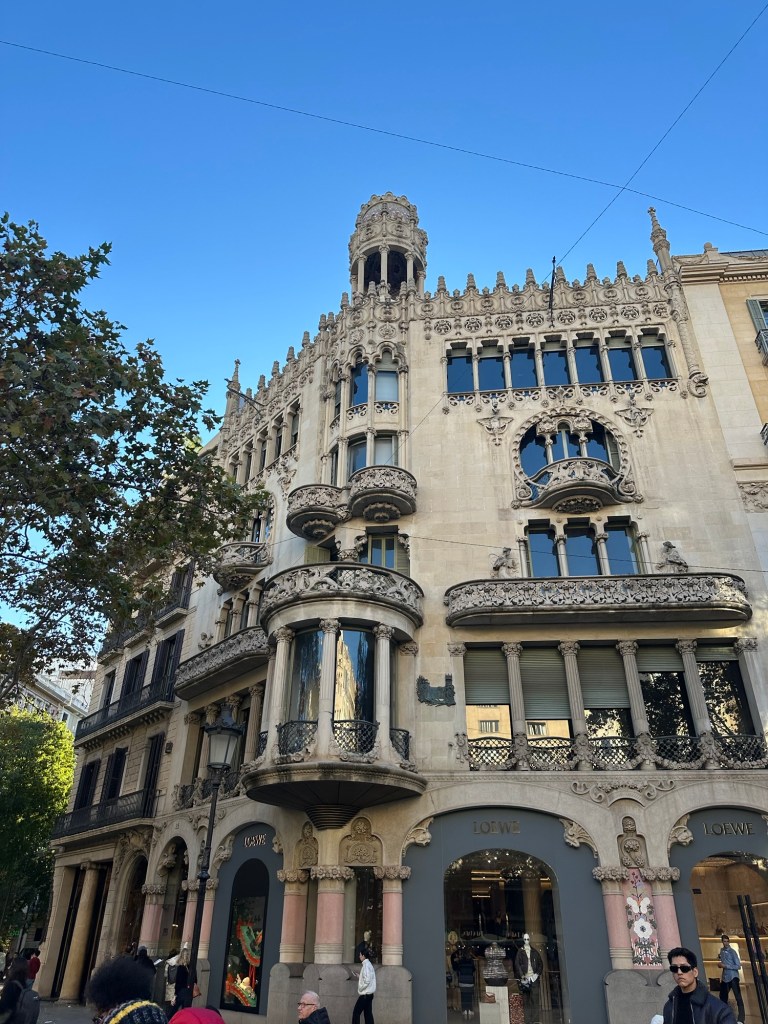
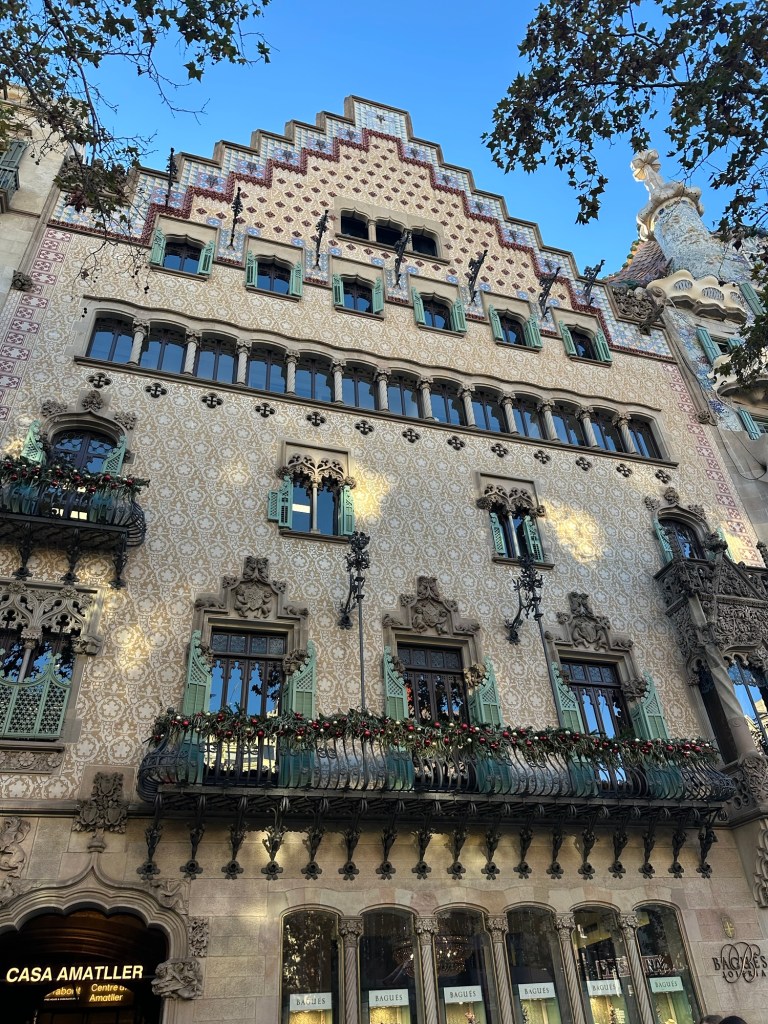
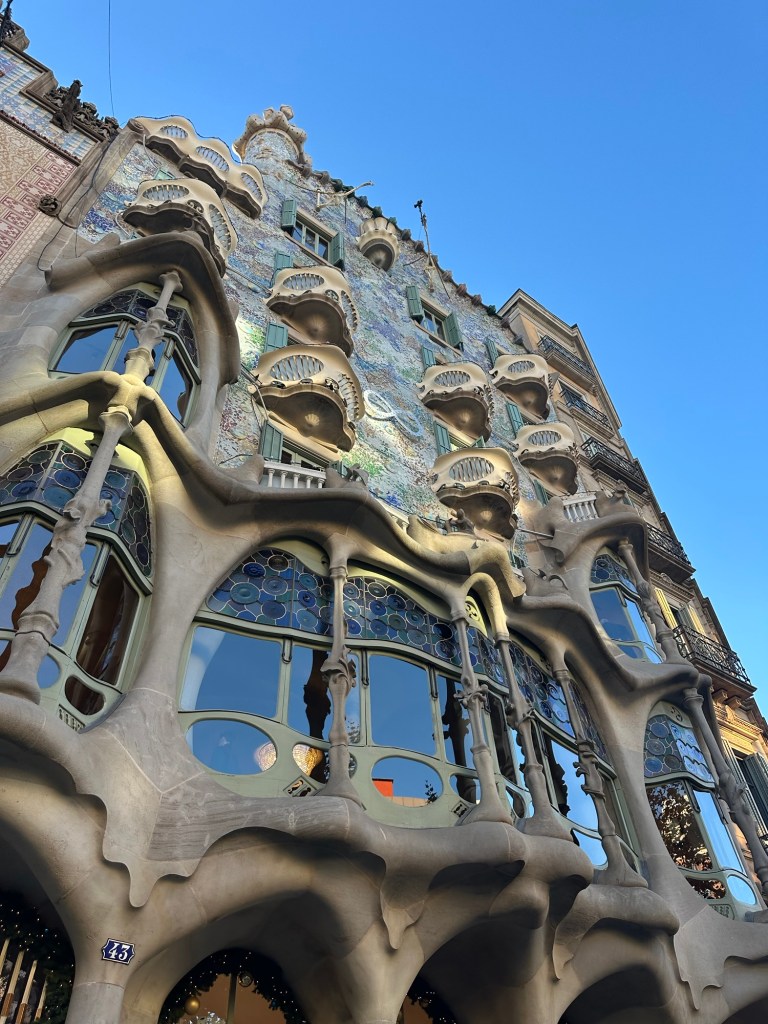
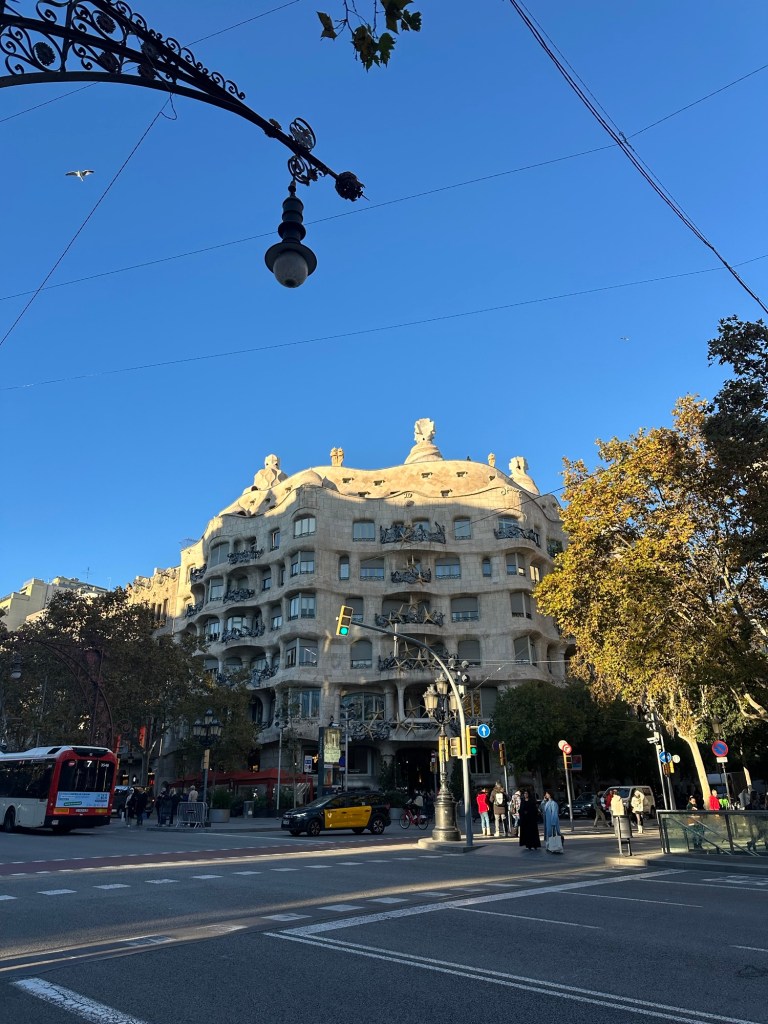
The next four buildings are all located within 2 blocks on Pg de Gràcia, called “The Block of Discord”, exhibiting three different architects.
Finally onto dinner, thanks to my guide for providing a list of restaurant recommendations!!
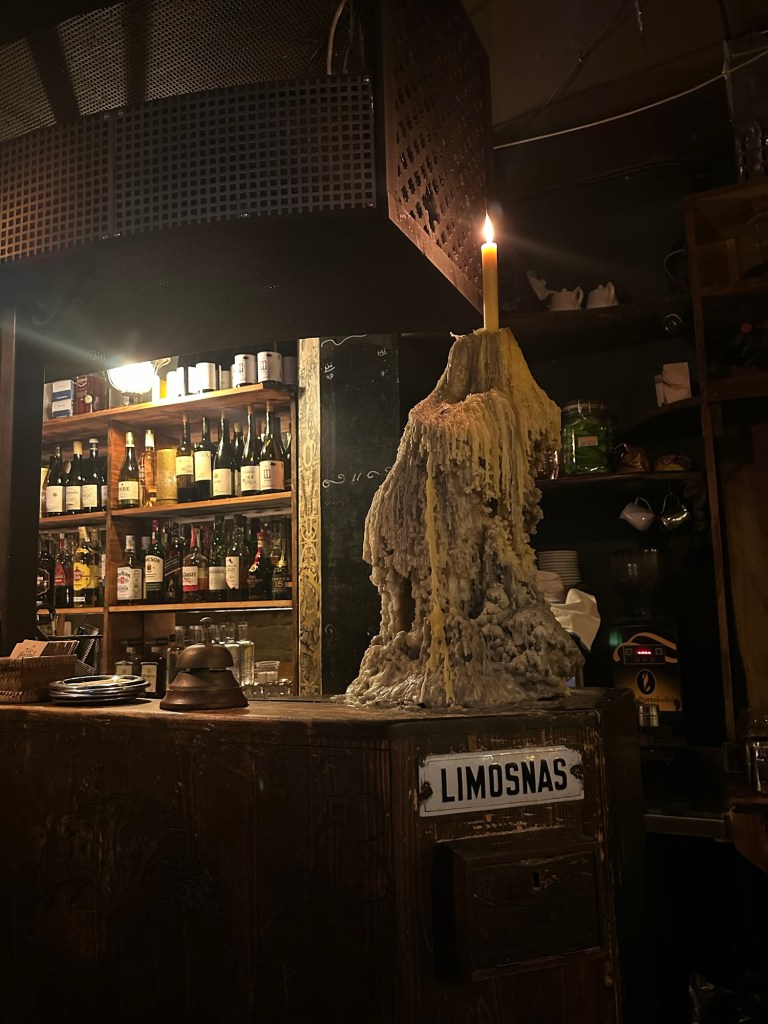
La Alcoba Azul for Tapas!
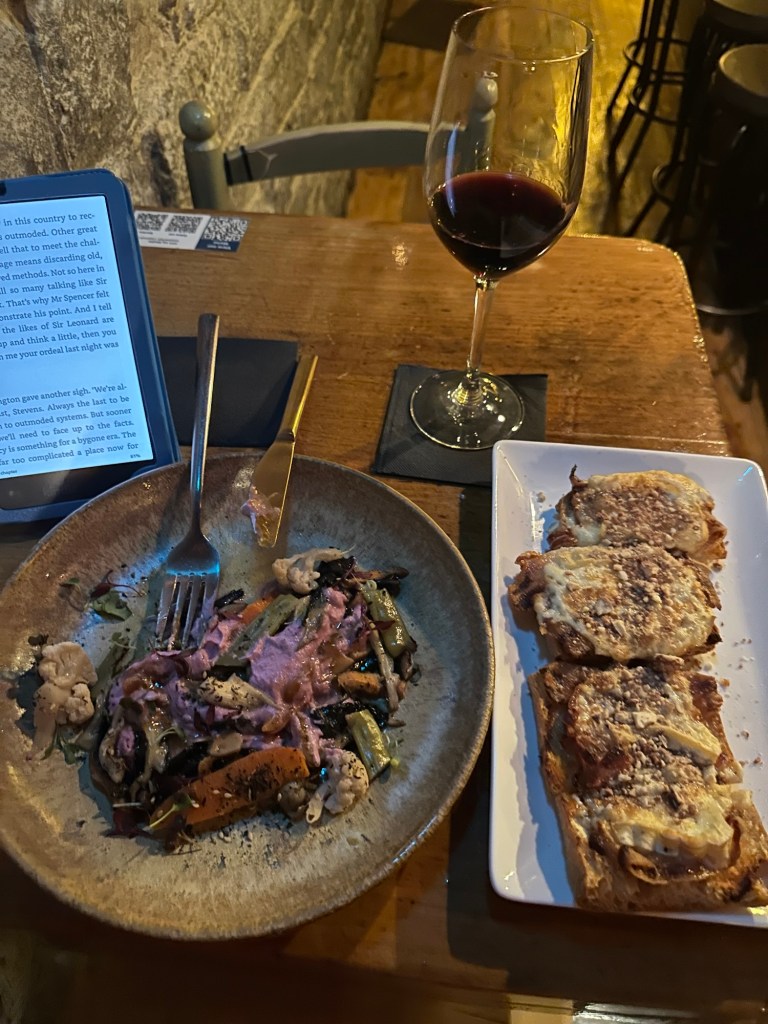
Right: “toast” with Brie, bacon, almonds.
Flamenco show to end the night. An intimate venue with 4 different performances. Loved the music, the guitar was insane!! Flamenco dancing originated in the south of Spain near Seville.
One more full day in Barcelona!
 Shelby's Travels
Leave a comment